
Canadian character is not a claim. It is a record.
I came to Canada as an immigrant. Some of my earliest and most formative introductions to Canadian character came through military service.
I learned from the people around me: peers, sergeants, warrant officers and senior soldiers with decades of experience. Some had backgrounds as snipers, pathfinders, instructors and operational leaders. What impressed me was not posturing. It was competence combined with humility, responsibility, discipline and an expectation that when circumstances deteriorated, you remained vital, critical to the people around you.
Then I began studying the Canadians who had come before us. Some of their stories became part of how I understood leadership.
There is a long tradition in this country of holding. Of staying functional when the situation becomes significantly worse than anyone planned for. Of remaining useful to the people depending on you. It runs through battlefields, hospitals, mountains and institutions built in places most Canadians will never see, and it is one of the defining attributes of what it has meant to be Canadian.
It is worth remembering, because the months and years ahead will ask for it again.
At The Strong Link, Character & Cohesion is one of the six capability domains in our model. We are interested in integrity, accountability, courage, humility, trust, communication, mutual support and the ability of people to sustain one another.
But character isn't something we should infer from what someone says about themselves. Pressure makes it observable.
Lieutenant John Clarkson
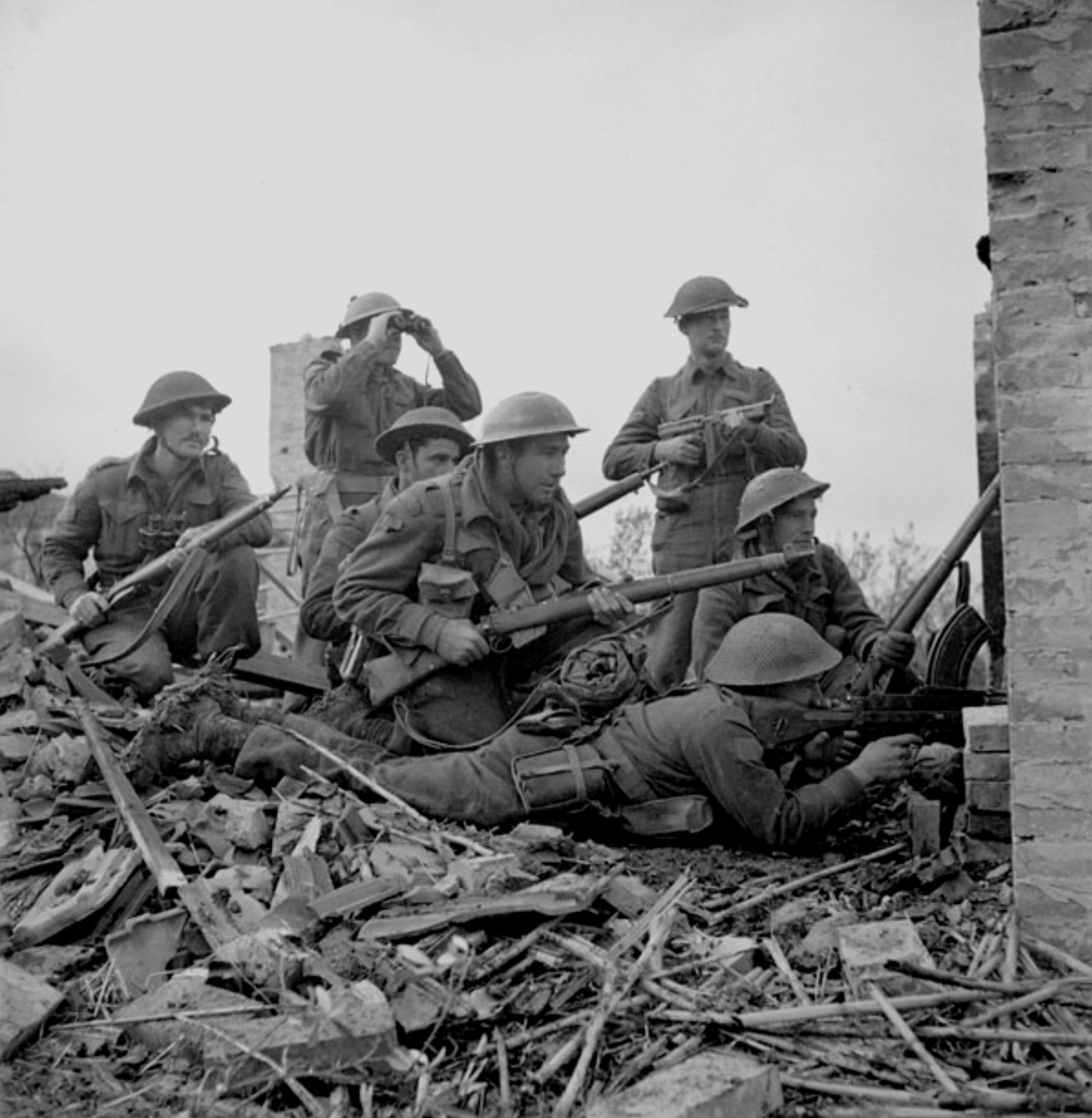
As a junior NCO with the 48th Highlanders of Canada, I spent time studying the Canadian fighting around Ortona. One story in particular stayed with me.
In December 1943, Canadian troops were engaged in a brutal campaign against German forces around the Italian town. Fighting took place through fortified buildings, narrow streets, farms and surrounding high ground. Canadian Army history describes the battle inside Ortona as an exceptionally violent urban fight against experienced German paratroopers.
To the west of the town, the 48th Highlanders of Canada had pushed deep into the German defensive position and taken the high ground on a narrow ridge their own padre called Cemetery Ridge, for the number of dead on it. German paratroopers surrounded them and hammered the position with mortars and artillery. A fighting patrol sent back to open a track for tanks and support weapons ran into a German battle group blocking it and had to return. The battalion was isolated and on its own. It formed an all-round defensive position and held — through one attack, then another as the enemy regrouped and came again.
Lieutenant John Clarkson, the battalion's intelligence officer, was sent back across that same ground to bring the armour up. He returned leading a troop of Ontario Regiment tanks. Three of the four got through, arriving just in time to help overwhelm a company of enemy paratroopers forming up for yet another attack. Within half an hour of the tanks arriving, the Highlanders were on the offensive; the paratroopers broke and withdrew in disorder, and the defensive fight became an advance toward the coast. Clarkson was awarded the Military Cross.
What has always interested me about that story isn't simply physical courage. The character in it runs two ways: what it took for a surrounded battalion to keep holding, and what it took for one man to walk out of that position alone to get the thing it was missing.
The objective remained. The situation had changed. Something essential was missing. Someone had to go and get it.
That is a form of character that matters well beyond a battlefield: accepting ownership when circumstances no longer resemble the plan.
The Canadians At Medak Pocket
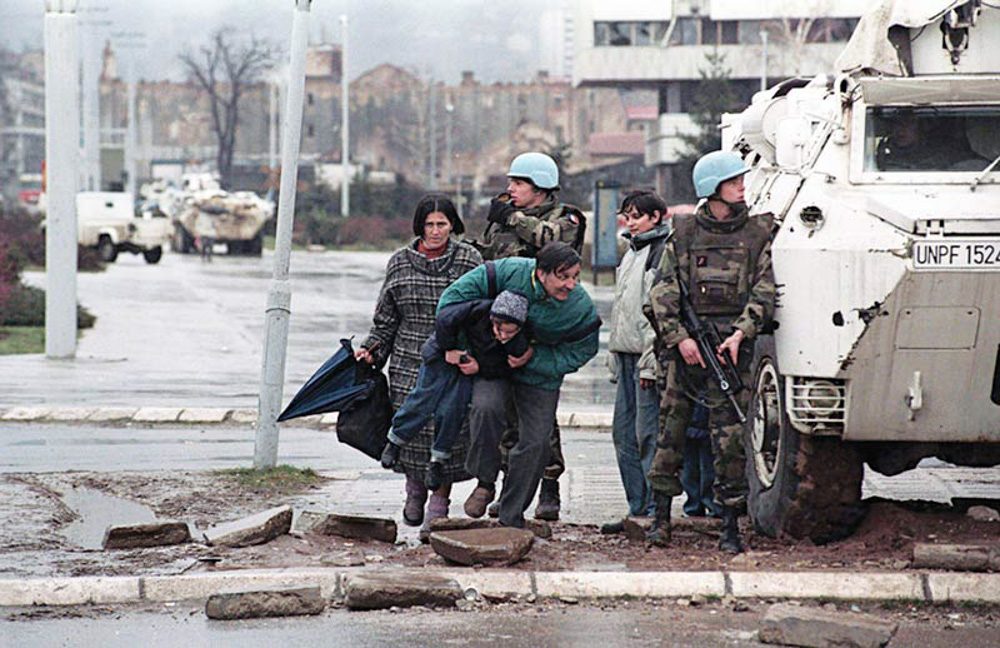
Sergeant Rod Dearing provides one human face for this story. But this one isn't really about one person. It is about the Canadians who held the line.
In September 1993, members of the 2nd Battalion, Princess Patricia's Canadian Light Infantry Battle Group deployed into the Medak Pocket as part of a United Nations mission intended to implement a ceasefire between two forces that were already fighting. The Canadians could see what was building between them.
So they moved into the ground between the two armies. They took up positions on the line that separated them, dug in, and stayed. Both sides now treated the Canadians as the obstacle.
The attack came against Canadian trenches: artillery, mortars, machine guns, rifle grenades and small arms. Attempts to work around the flanks were met and pushed back. Platoon-level firefights ran through the night and into the dawn. In all, the Canadians were under direct attack for more than fifteen hours — the most significant combat Canadian soldiers had faced since Korea — and they did not give up the line.
They held their ground, and the protected zone held with them. The unit would later receive the Commander-in-Chief Unit Commendation for its conduct. The official citation recognizes the battle group's members for holding their ground under extreme peril and driving opposing forces back.
Dearing was an infantry section commander in the middle of it. His section endured five separate firefights and two indirect-fire attacks over September 15 and 16. His Mention in Dispatches recognized his steady and professional performance and the example it set for the soldiers around him.
But Dearing was surrounded by other Canadians doing exactly what trained soldiers are supposed to do when the situation becomes significantly worse than expected.
And there is another part of the Medak story that shouldn't be omitted. Many of those soldiers carried serious psychological injuries home with them. Canada's own commemorations of the battle recognize the operational stress injuries that followed.
That matters. Character is not immunity from consequence. Sustainable performance does not mean absorbing unlimited damage.
One of the responsibilities of an organization that depends on strong people is to sustain them in return.
Dr. James Orbinski
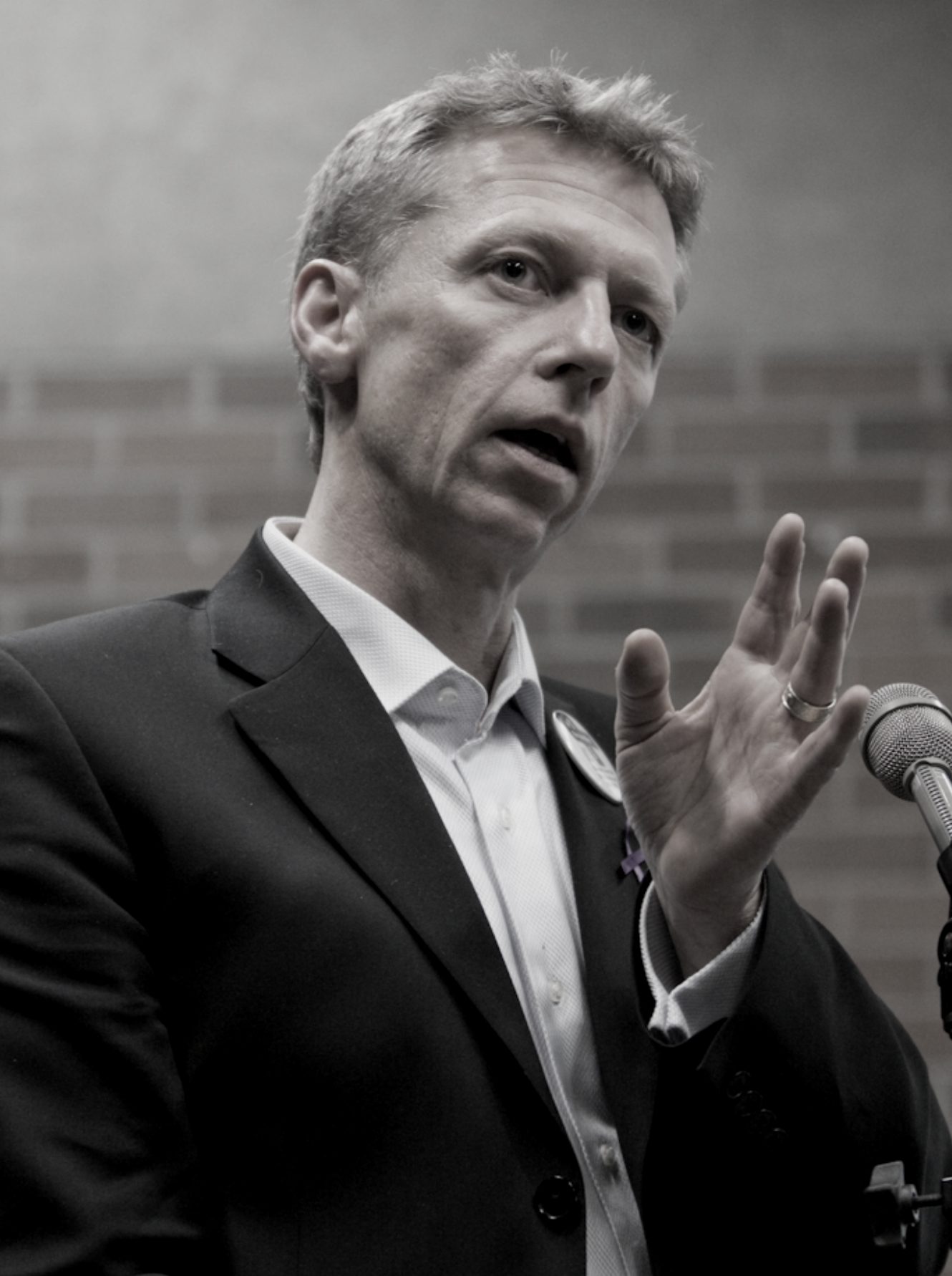
Character under pressure isn't exclusively a military story.
In 1994, Canadian physician Dr. James Orbinski was serving as Médecins Sans Frontières' chief of mission in Rwanda during the genocide.
His work put medical professionals into an environment in which many of the assumptions that ordinarily make medicine possible had disappeared. Safety was not guaranteed. Institutions were collapsing. Violence surrounded them.
Yet the work continued.
Orbinski provided medical assistance to people on both sides of the front line and opened a hospital in a contested area of Kigali that was repeatedly exposed to mortar and machine-gun fire. His Meritorious Service Cross citation specifically recognizes both his medical work and his leadership of an international team through some of the bleakest days of the genocide.
This is a different expression of character. Not defeating an opponent. Not holding terrain. Keeping faith.
People with nowhere else to go had come to depend on those doctors being there. Withdrawing would have been defensible. It would also have broken the last thing still working in that place: the understanding that if you could reach the hospital, someone capable would treat you. Orbinski and his team stayed inside that trust while the threat to them continued.
Competence gave Orbinski the ability to help. Character helped determine what he did with that competence.
Dr. Lucille Teasdale-Corti
Sometimes character is most visible not in a dramatic moment, but in the accumulation of thousands of ordinary ones.
Dr. Lucille Teasdale-Corti was a Montreal-born surgeon who dedicated much of her professional life to St. Mary's Hospital Lacor in northern Uganda.
She arrived in 1961. She stayed through political upheaval, dictatorship, armed conflict, extreme poverty and epidemics. She and her husband helped transform a small medical facility into a major hospital and training centre serving the region.
During Uganda's civil war, she operated on wounded people from opposing sides. She trained others. She continued treating patients under extraordinarily difficult conditions.
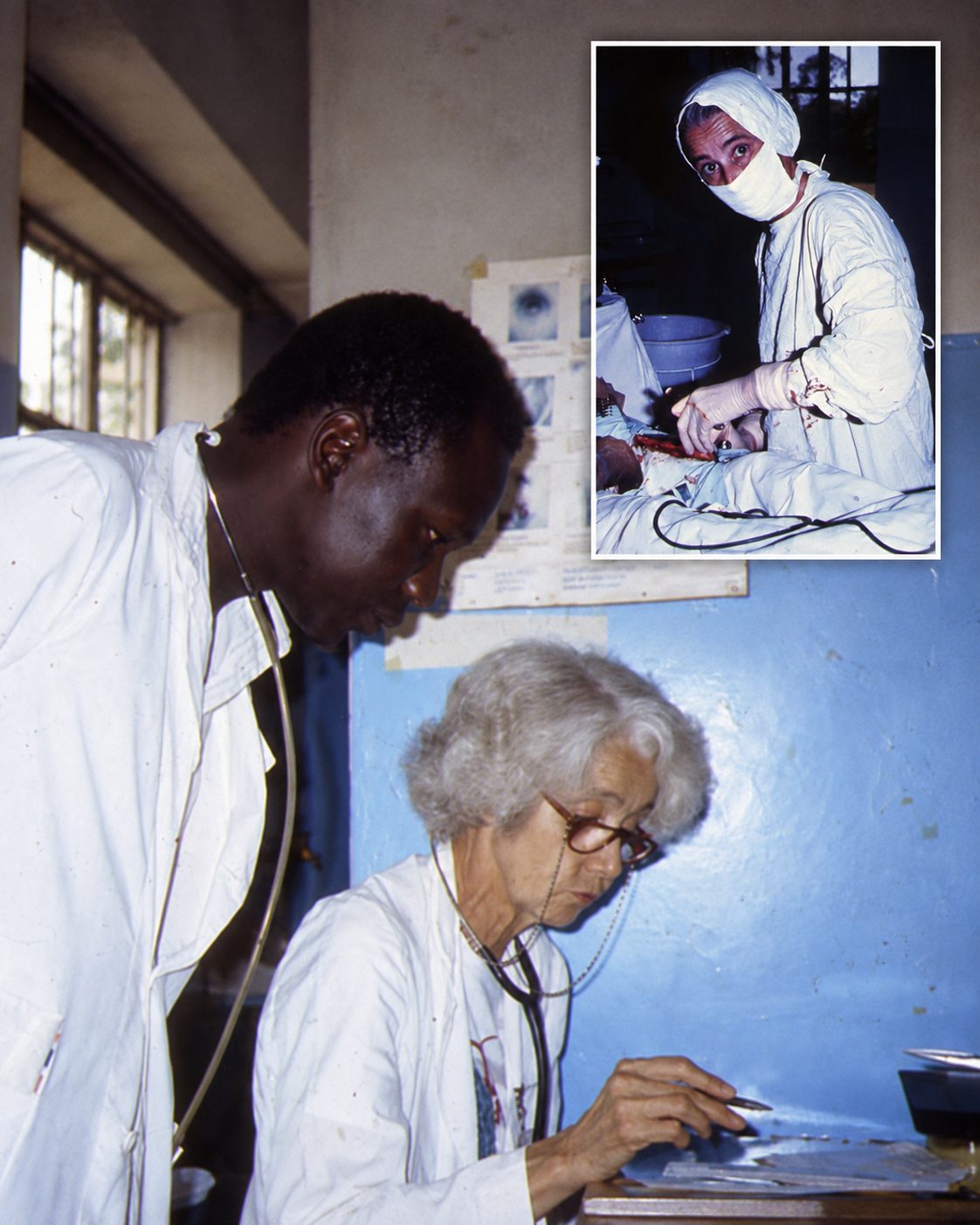
Over her career at Lacor, she performed more than 13,000 operations. During surgery she contracted HIV occupationally, at a time when treatment options were profoundly limited. She nevertheless continued working for years afterward.
There is courage in that story. But the word I associate with it most is service.
That is character expressed over decades.
Sharon Wood
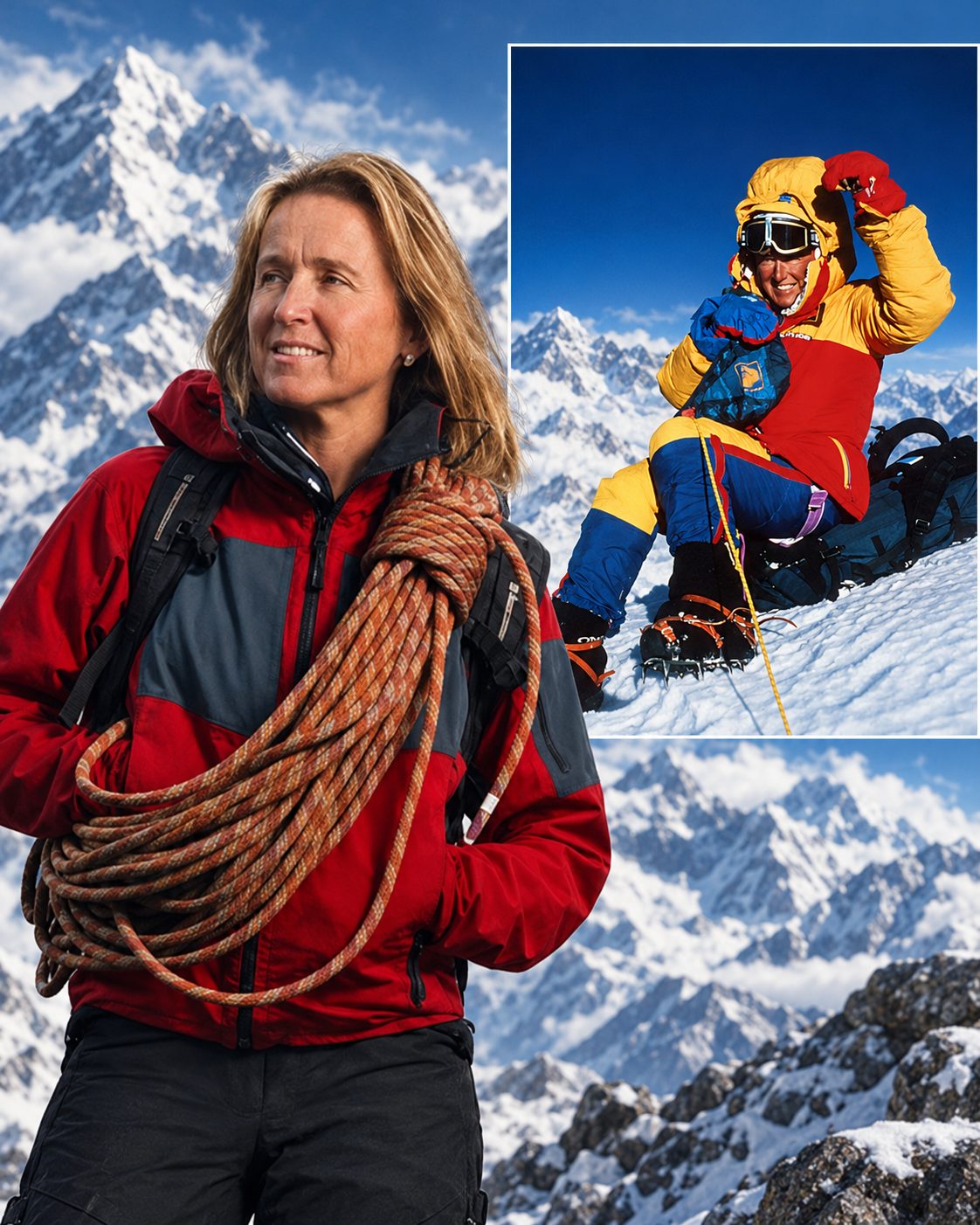
Mountains introduce a different kind of pressure. They are indifferent to intention.
In 1986, Canadian alpinist Sharon Wood became the first North American woman to summit Mount Everest. But the record alone isn't what makes her relevant here.
Wood was one of twelve climbers on the Canadian Everest Light Expedition, which reached the Rongbuk Glacier in Tibet in March 1986 and spent seventy days on the mountain. Of those twelve, two made the summit.
Wood and Dwayne Congdon climbed a new variation on the West Ridge from the Tibetan side, without Sherpa support. High in the Hornbein Couloir they met the crux: a four-hundred-foot rock wall, far too late in the day, with snow pluming off the summit ridge above them. Wood was ready to give up. Congdon handed her the end of the rope and said, "your lead." They stood on the summit at nine o'clock at night.
She became the first North American woman to summit Everest, and the first woman in the world to do it by the difficult West Ridge. Despite several subsequent attempts, that route has never been repeated.
The expedition itself required repeated adaptation. The team's original plan changed as time, weather, workload and deteriorating physical reserves altered what remained possible. Contemporary expedition records describe the decision to abandon one planned line and move toward the Hornbein Couloir because the monsoon was approaching and the team's physical and mental resources were being depleted.
That is what makes Wood's story particularly useful to me. High performance is sometimes mistaken for determination at all costs. Mountaineering teaches something more sophisticated.
The objective can remain fixed while the route changes.
Competence allows you to understand the environment. Character allows you to make difficult decisions inside it without abandoning the objective simply because the original plan no longer works.
Private Jess Larochelle
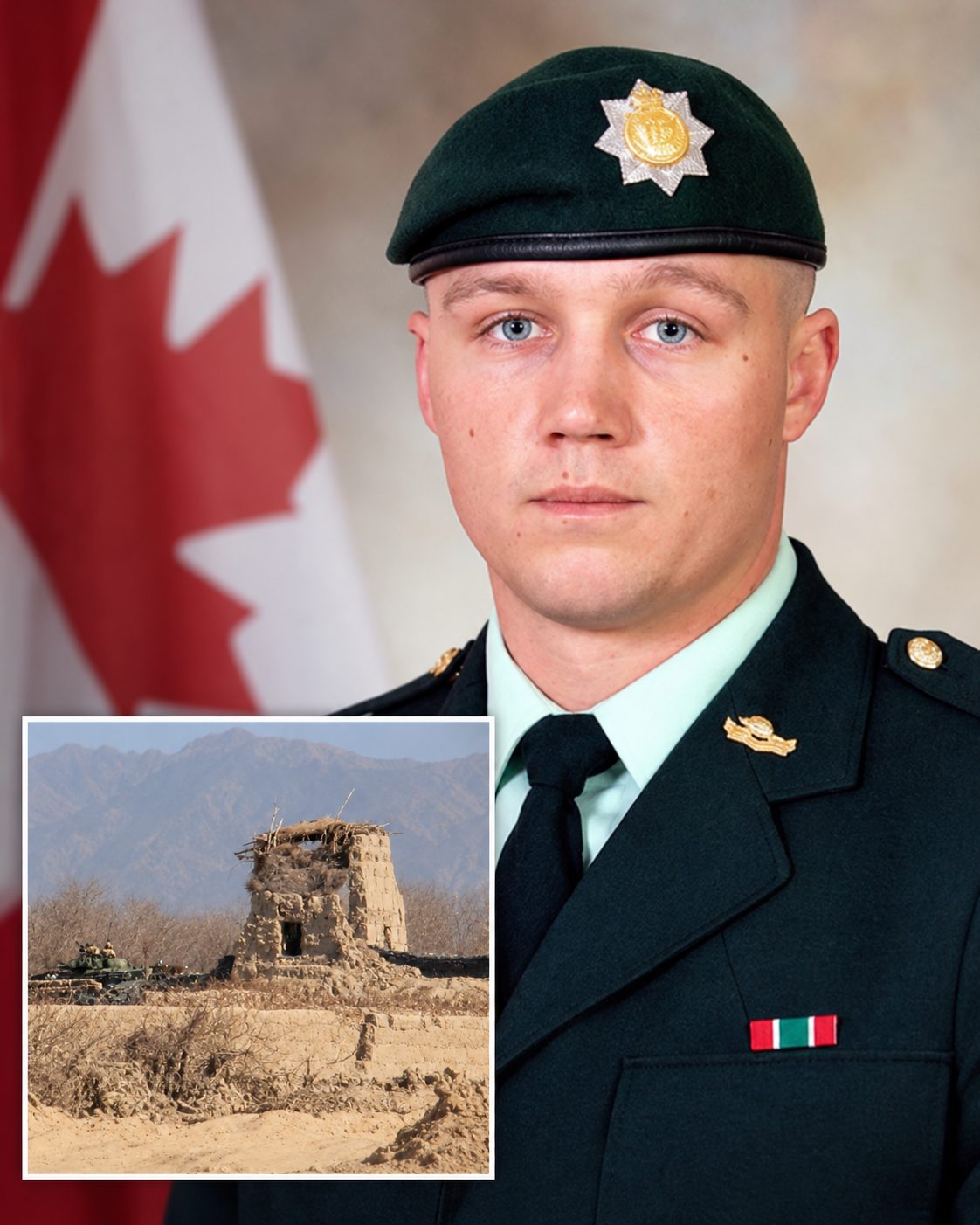
On October 14, 2006, Private Jess Larochelle was manning an observation post near Pashmul, Afghanistan.
An enemy rocket destroyed the position.
Two Canadian soldiers were killed and three others wounded in the initial attack. Larochelle was himself severely injured. He was alone in an exposed and badly damaged position while a sustained attack developed against his company.
He stayed.
His back was broken and a retina was detached. His machine gun was destroyed with the post. He kept firing anyway, using rocket launchers that had survived the blast, covering a flank that otherwise would have been undefended. His actions gave the rest of his company the opportunity to occupy its defensive positions and repel an attack involving more than twenty insurgents.
His official Star of Military Valour citation states that his actions saved the lives of many members of his company.
There is little need to embellish that story. For me, its defining characteristic is duty.
A Tradition, Not A Slogan.
None of these stories proves that Canadians possess some unique monopoly on courage, service or integrity. Every country has people capable of extraordinary conduct.
Nor should character become mythology in which sacrifice is romanticized and consequences are ignored. The Medak veterans who came home carrying injuries we couldn't see are an important reminder of that.
What these Canadian stories give us are examples. Different people. Different environments. Different pressures. But there is a common thread.
Each remained vital when circumstances challenged them and everyone around them.
That is one of the ideas at the centre of The Strong Link. Character without competence may produce good intentions without the capability to act. Competence without character can place considerable capability in the wrong hands. The people we come to rely upon most need both.
This is the attribute our critical enablers — the Strong Links, the people organizations cannot afford to lose — will need to develop, hone and hold to as the horizon ahead of us keeps changing. It is not inherited. It is built and maintained, deliberately, before the pressure arrives.
Not as a claim about what we are. As a standard for how we behave when the pressure arrives.
Character is easy to claim in comfort. Tested, it becomes observable.

Photographs are credited to the holding institution.